Read also: Fall Leaf Color Change
Unveiling the Spectacle: The Science Behind Fall Leaf Color Change
The annual transformation of foliage from lush greens to vibrant hues of red, orange, and yellow is a breathtaking sight that signals the arrival of autumn. This natural phenomenon, known as leaf color change, is a fascinating process driven by complex biological mechanisms. Let's delve into the science behind this spectacular show of colors.
Read also: Family Fun Day Coloring Pages
Understanding the Green Camouflage
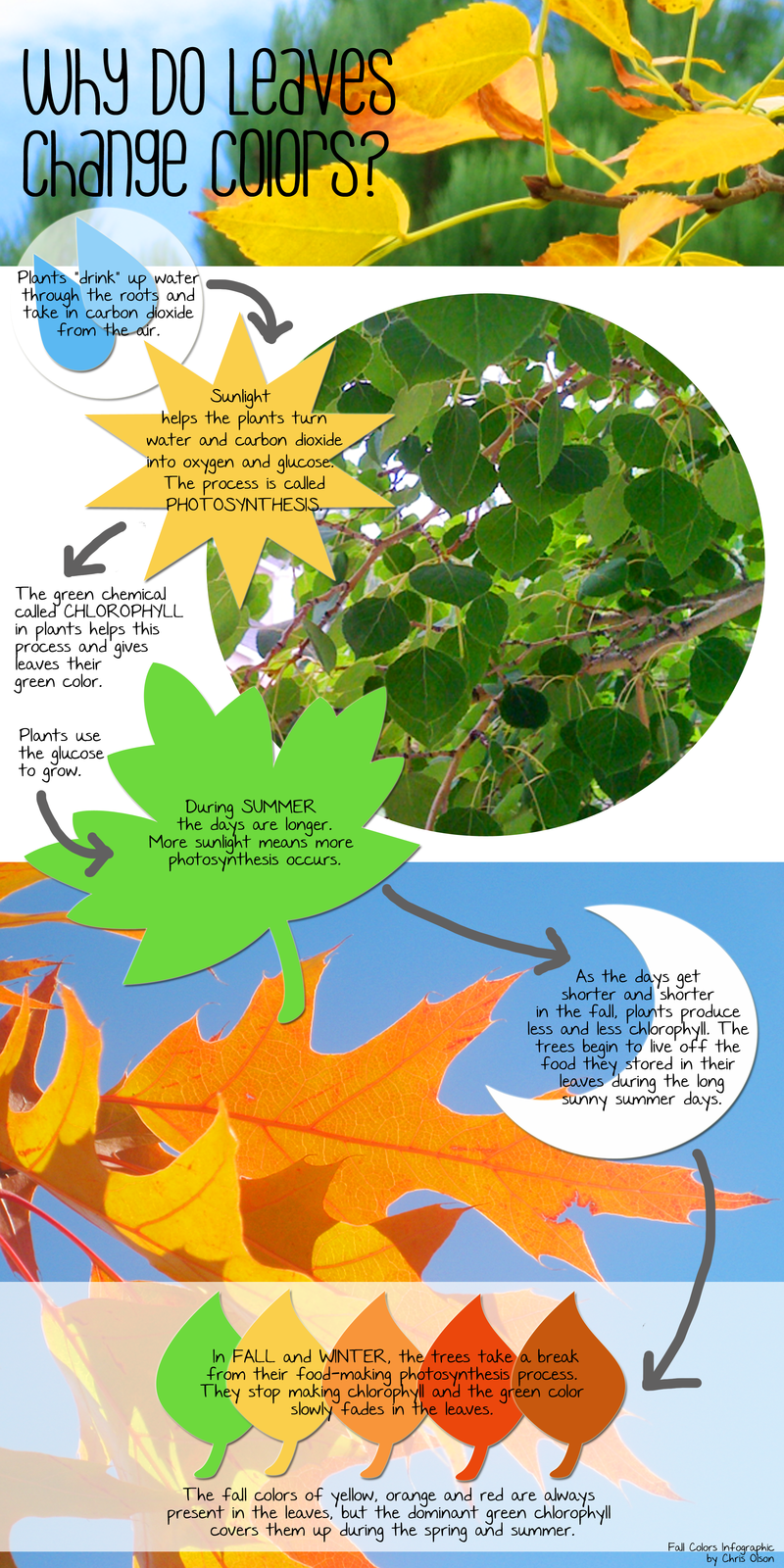
Before the color change, leaves appear green due to the presence of a pigment called chlorophyll. Chlorophyll is responsible for absorbing light energy during photosynthesis, the process by which plants convert sunlight into energy. Other pigments, such as carotenoids and anthocyanins, are also present in leaves but are masked by the dominant green chlorophyll.
Read also: Fantasy Coloring Pages For Adults
The Role of Daylength
The key trigger for fall leaf color change is the decrease in daylength. As days grow shorter and nights longer in autumn, trees respond to the change in light intensity and duration. This prompts the production of hormones that initiate the process of senescence, or leaf aging.

Autumnal Hormones
Two primary hormones play a crucial role in this process: abscisic acid (ABA) and ethylene. ABA promotes the closure of stomata, tiny pores on the leaf surface that facilitate gas exchange. This reduces water loss and prepares the leaf for its eventual detachment. Ethylene, on the other hand, stimulates the production of enzymes that break down the cell walls, making it easier for the leaf to separate from the tree.
Chlorophyll Breakdown: The Reveal
As senescence progresses, the production of chlorophyll slows down, and its breakdown accelerates. This is due to the action of an enzyme called chlorophyllase. As chlorophyll degrades, the green color fades, revealing the underlying pigments that were previously concealed.
Carotenoids: The Yellow and Orange Hues
Carotenoids are a class of pigments that are responsible for the yellow and orange colors in autumn leaves. These pigments are always present in leaves but are overshadowed by chlorophyll during the growing season. As chlorophyll breaks down, the vibrant carotenoids become visible, painting the landscape with warm, inviting colors.

Anthocyanins: The Red and Purple Tints
Anthocyanins are a group of pigments that produce red, purple, and blue colors in plants. Unlike carotenoids, anthocyanins are not always present in leaves. They are produced in response to bright light and high temperatures, which are common during early autumn. Anthocyanins are believed to protect leaves from photodamage by absorbing excess light energy and filtering out harmful blue-green and green wavelengths. This results in the stunning red and purple hues that adorn the trees in late autumn.
The Art of Timing: Why Some Trees Change Color Earlier Than Others
The timing of leaf color change varies greatly among tree species. Some trees, such as maples and birches, are known for their early and vibrant displays, while others, like oaks and beeches, hold onto their leaves well into winter. This difference in timing is primarily due to the trees' genetic makeup and their adaptation to specific environmental conditions.
For instance, maples and birches are deciduous trees that are adapted to thrive in cooler climates. They have evolved to shed their leaves early in autumn to conserve water and nutrients during the dormant winter months. In contrast, oaks and beeches are more tolerant of drought and can maintain their leaves longer, allowing them to continue photosynthesis and gather energy even in the fall.

Preserving the Memory: Fall Leaf Color Change in Art and Culture
The fall leaf color change has captivated humans for centuries, inspiring artists, poets, and photographers alike. The fleeting beauty of autumn foliage has been immortalized in countless works of art, from the serene landscapes of Japanese woodblock prints to the impressionistic masterpieces of Claude Monet. The annual display of fall colors has also become an integral part of cultural traditions and festivals, drawing visitors from around the world to witness the spectacle.
In conclusion, the fall leaf color change is a complex and fascinating process that showcases the intricate interplay between genetics, environment, and chemistry. As we marvel at the vibrant hues that paint the landscape each autumn, we are reminded of the incredible beauty and resilience of the natural world.