Read also: Horse Color Markings
Horse Color Markings: A Comprehensive Guide
Horse color markings are as unique as the horses themselves, adding to their charm and individuality. These markings are determined by the horse's genetics and can vary greatly. Let's delve into the fascinating world of horse color markings.
Read also: Horse Outline Drawing Realistic
Understanding Horse Coat Colors
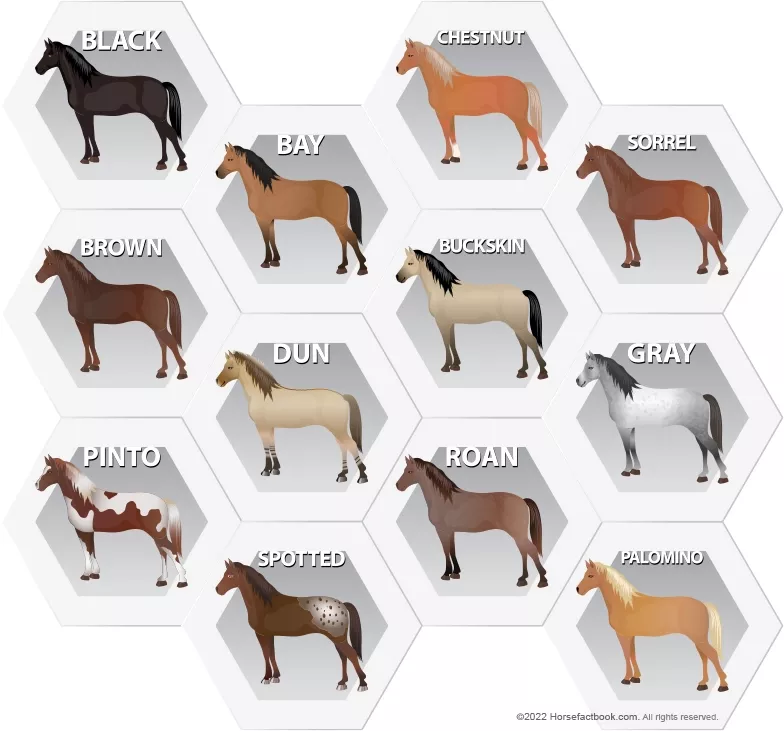
Before we explore markings, it's essential to understand the basic horse coat colors. The primary colors are black, bay, chestnut, and palomino. These can be modified by various dilutions and patterns to create a wide range of colors and markings.
Dilutions
Dilutions are genes that lighten the horse's coat color. The most common dilutions are cream, buckskin, and perlino/palomino. Cream dilutes all colors to a lighter shade, while buckskin and perlino/palomino dilute black and bay to various shades of gold or cream.

Patterns
Patterns add unique markings to a horse's coat. The most common patterns are overo, tobiano, and paint. Overo patterns have large, irregular patches of color, often with a distinctive "cross" on the horse's shoulder. Tobiano patterns have clear, straight lines and a horizontal stripe across the horse's withers. Paint horses have a combination of overo and tobiano patterns.
Read also: Hot Dog Coloring Page Free
Common Horse Color Markings
Now that we understand the basics of horse coat colors, let's explore some common markings.
White Markings
White markings are common and can vary from a small star on the forehead to extensive white patches. These include:

- Star: A white marking on the horse's forehead.
- Snip: A small white marking on the horse's upper lip.
- Blaze: A vertical white marking running from the horse's forehead to its nose.
- Strip: A vertical white marking running down the horse's face, often accompanying a blaze.
- Stockings: White markings on the horse's legs, ranging from a small "sock" to extensive "boots" that cover the entire leg.
Other Markings
Other markings can also add to a horse's unique appearance:
- Median grill: A white marking running down the horse's face, between the eyes.
- Cobwebbing: White markings on the horse's shoulders, resembling a spider's web.
- Frosting: White hairs on the horse's face, often seen in palomino horses.
Inheritance of Horse Color Markings
The inheritance of horse color markings is complex and can be influenced by many genes. In general, white markings are dominant, meaning a horse must inherit the gene from only one parent to display the marking. However, some markings, like the cross on an overo horse, are inherited in a more complex manner.
Impact of Horse Color Markings on Temperament and Health
While horse color markings are primarily aesthetic, they can also have practical implications. For instance, white markings on a horse's face can affect its vision, making it more prone to injuries. Similarly, extensive white patches can increase the risk of sunburn and skin cancer. On the other hand, some studies suggest that certain markings, like the "cowlick" on a horse's forehead, may indicate a calm temperament.

Conclusion
Horse color markings are a fascinating aspect of equine genetics. From the simple star to the complex patterns of a paint horse, each marking adds to the horse's unique identity. Understanding these markings not only enhances our appreciation of these magnificent animals but also provides insight into their health and temperament.